What Attracts Ants Into Homes in North York?
Why ants are frequent in North York homes
In North York, ants are a familiar issue because the area combines closely packed urban housing, mature neighbourhoods, and a wide range of building styles. From detached homes and semis to townhouses and low-rise apartment buildings, the local mix of urban housing provides plenty of opportunities for ant infestations to develop. Shared walls, nearby landscaping, and tightly packed properties can all make it easier for colonies to move between outdoor nesting areas and indoor living spaces.
Seasonal pest activity serves a major role too. During the spring thaw, ants become more active as they search for food and water after winter. In Toronto and North York, humid summer weather can also push ant activity indoors, especially when outdoor conditions become too hot, too wet, or too dry. That shift often leads foraging ants toward kitchens, bathrooms, basements, and entryways where they can find reliable attractants.
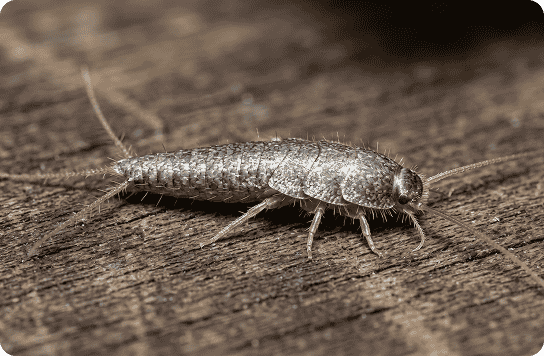
North York homeowners often notice that ant problems are not random. They usually reflect property conditions, nearby nesting areas, and small openings that allow ants to travel indoors. Once a trail is established, workers follow trail pheromones back and forth between the nest and a food source, which makes the problem seem sudden and persistent. This is why pest control North York services often focus on both indoor activity and outdoor access points.
What brings ants indoors?
Ants are pulled indoors by fundamental survival requirements: meal sources, hydration, and cover. Most homeowners assume a spotless home should not have ants, but even small traces of food residue can draw in foraging ants. The most common attractants include food crumbs on worktops or tiles, sugar spills near machines, and unsecured pet food left out for extended periods.
Kitchen countertops are often the initial spot where ants appear because they have multiple attractants at once. A few crumbs under a toaster, sticky syrup on a cabinet, or a forgotten fruit bowl can be enough to draw scouts into the home. Once they find a resource, they report back to the colony, and more workers may take the same path. That is why a small sighting can quickly become a more serious infestation.
Moisture is a further major attraction. Ants need water, so they often target basins, dripping pipes, bathrooms, and damp areas around appliances. Standing water in a tray, bucket, or drain area can be enough to trigger repeated foraging. Homes with high humidity or poor ventilation tend to be more attractive because many species prefer moist environments when building or expanding colonies.
In addition to food and water, ants are also attracted by shelter. Heated indoor areas shield them from weather extremes, and small entry points let them move inside without being noticed. Window cracks, seams along baseboards, and openings around utility lines can all act as access points. This is why sanitation alone may not be enough if the home still provides easy entry.
Various species are attracted by slightly different factors. Pavement ants commonly look near sidewalks, driveways, and foundations, then move indoors for crumbs and moisture. Odorous house ants are especially drawn to sweet foods and wet areas. Carpenter ants are different because they favor wood that has been damaged by moisture, which means they are often associated with leaks, damp walls, or hidden nesting sites rather than food alone.
How North York communities and home styles affect ant issues
The area’s variety of housing can affect how ants make their way inside and where they build nests. Vintage detached homes may have worn materials, while townhouses and semi-detached homes often share walls or utility spaces that make inspection more complicated. Low-rise apartment buildings can also support ant travel through wall voids, common corridors, and shared exterior landscaping. In every case, the physical structure of the building can create conditions that support nesting behavior and indoor foraging.
Basements are a key concern in many local homes. They often have cool and damp conditions and more hidden cracks than upper floors. Because basements commonly contain sump pumps, laundry areas, utility sinks, and storage, they may also provide the moisture and shelter ants need. If a basement has older flooring, unfinished surfaces, or poor drainage, it can become one of the most appealing places for a colony to set up shop.
Foundation cracks are another common route indoors. Small fractures in brick, concrete, or parging may seem harmless, but ants only need tiny openings to enter. Gaps around vents, cable lines, plumbing, and electrical conduits can also serve as structural gaps that lead directly into wall voids. These hidden paths are especially important in homes with older construction or uneven settlement.
Nearby landscaping also matters. Dense residential blocks, shrubs close to the house, mulch beds, and shared fences can all provide nesting areas near the foundation. In North York, where yards can be compact and homes are closely spaced, ant colonies may move easily from one property to another. That makes exterior property maintenance especially important, because unmanaged vegetation and clutter can support ants before they even reach the interior.
For homeowners in these communities, the issue is not just the ants themselves but the mix of building age, layout, and surrounding environment. A professional approach to pest control North York often starts by identifying where the ants are coming from, whether that is a basement crack, a shared wall, or a landscaped edge near the home.
Signs ants have found a way inside
The earliest clear sign of ant movement is usually a visible trail of workers. Ant trails often form along skirting boards, counters, window surrounds, and basement walls. These trails are not haphazard; they suggest that ants have already found a resource and are taking the very same route repeatedly. If you notice a steady line moving to one area in the kitchen or near a bathroom sink, that location is likely tied to a food or water source.

Look closely at where the trail begins and ends, because that may expose the home’s entry points. Ants commonly enter through spaces around windows, cracks in mortar, damaged weather stripping, and openings around pipes or wires. In many cases, the access point is not obvious at first glance. A professional inspection can help identify the route and discover hidden intrusion areas that are easy to miss during a quick cleanup.
You may also observe activity that suggests hidden nest locations. For example, ants appearing from behind baseboards, under sinks, or around wall voids can mean a colony is nearby. Carpenter ants are especially important to check because they may not be nesting in plain sight. They often use damp wood, insulation voids, or structural spaces where moisture has created favorable nesting conditions.
Other warning signs include small piles of sawdust-like debris, rustling sounds inside walls, and repeated sightings even after cleaning. If ants keep returning to the identical part of the home, there may be a concealed colony nearby or a continuing attractant that has not been eliminated. In that situation, a closer assessment by an exterminator can help determine whether the problem is a one-time intrusion or an active infestation that needs treatment.
How to prevent ants from returning
Effective prevention starts with removing the things that draw in ants at the outset. Keep food in closed containers and remove spills quickly, especially in kitchens and dining areas. Good food storage habits reduce the chances that scouts will find crumbs, syrup, cereal dust, or other traces that can lead them back to the colony. Cleaning under appliances and around pantry shelves is as important as wiping visible surfaces.
Routine sanitation is also an essential part of prevention. A steady sanitation routine should include sweeping floors, rinsing sticky containers, emptying trash often, and cleaning pet feeding areas. Even small amounts of food residue can sustain foraging ants. If you have children or pets, pay special attention to snack areas, under dining tables, and around baseboards where crumbs tend to gather.
Because ants often enter through tiny openings, sealing cracks is one of the most effective preventive measures. Use caulking, weather stripping, and proper sealants around doors, windows, and utility penetrations. Inspect the foundation, especially in basements, for new or expanding gaps. Keeping these access routes closed helps cut down indoor traffic and makes it harder for colonies to establish repeated trails.
Reducing moisture is also crucial. Fix leaks promptly, dry wet surfaces, and improve https://mississauga-onua148.quillnesty.com/posts/which-areas-in-my-home-should-be-managed-for-pests-in-north-york ventilation in bathrooms, laundry rooms, and basements. Humidity control can help significantly in homes where damp conditions encourage nesting behavior. Remove standing water from trays, sinks, and storage areas, and make sure gutters and downspouts direct water away from the foundation.
Outside the home, basic property maintenance can ease ant pressure. Trim shrubs away from walls, keep mulch from touching the foundation, and clear debris from around the home’s perimeter. In dense North York neighbourhoods, where neighbouring landscaping and shared walls can complicate control, these steps help limit the number of nesting sites close to the house.
When to call pest control in North York
Some ants problems can be controlled with cleaning and sealing, but some cases need professional treatment. If you are dealing with recurring trails, multiple rooms affected, or ants coming back soon after cleaning, the problem may be a recurring problem that requires a more thorough solution. In those cases, a local exterminator can evaluate the infestation, identify the species, and recommend the right control methods.
Carpenter ants are a key reason to seek help quickly. Unlike many other ants, they can damage wood as they expand nesting areas, especially when moisture has softened structural materials. If you see large black ants in the basement, hear activity in walls, or notice signs of damp wood, it is wise to arrange a professional inspection. Carpenter ant activity is often hidden, and waiting too long can allow the colony to spread.
North York homeowners should also call for help when the infestation seems tied to building features that are hard to inspect, such as wall voids, ceiling spaces, or shared structures in townhouses and low-rise buildings. These situations can make ants hard to eliminate with DIY approaches alone. A local technician familiar with North York property conditions can inspect likely access points, nesting sites, and surrounding outdoor areas more effectively.
Professional services often combine inspection, targeted control methods, and prevention advice. That may include treating active trails, locating nests, and advising on sealing, moisture control, and sanitation improvements. For homeowners who want long-term relief, pest control is not only about removing ants already inside; it is also about reducing the conditions that allow colonies to return.
Frequently Asked Questions: Ants in North York
What attracts ants into homes in North York?
The ants are often attracted by crumbs of food, spilled sugar, animal food, and moisture. In North York homes, they regularly enter through cracks in the foundation, service gaps, and other entry points while looking for water and food. Seasonal activity, especially during the spring thaw and humid summer weather, can increase indoor foraging.
Why do ants keep returning after cleaning?
If ants continue returning after cleaning, the colony may still be active nearby or there may be hidden access points. Removing debris removes visible attractants, but ants can continue tracking trail pheromones if a food source remains or if nesting sites are close to the home. A deeper inspection may be needed to find the source of the recurring problem.
Are carpenter ants common in North York houses?
Absolutely, carpenter ants can be a concern in North York, especially in houses with lower levels, older structures, or dampness problems. They are often associated with moist wood and sheltered nesting habits inside interior wall gaps or structural gaps. If you notice large ants indoors or evidence of wood damage, a expert inspection is recommended.
How do I keep ants out of my kitchen and basement?
Begin with strong food containment, regular hygiene, and quick cleanup of liquids and crumbs. Close cracks around windows, doors, and foundation areas, and cut down on moisture by fixing leaks and enhancing humidity control. In kitchens and basements, get rid of standing water and keep pet food sealed or picked up when not in use.
When should I call pest control in North York for ants?
Call pest control North York if ants keep returning, when spotting trails in different rooms, or when you suspect carpenter ants. If ants are found in basements, structural gaps, or hidden nesting sites, a local exterminator can deliver professional help and prevent the problem from becoming worse.